How to Start a Jumping Castle Rental Business in Australia
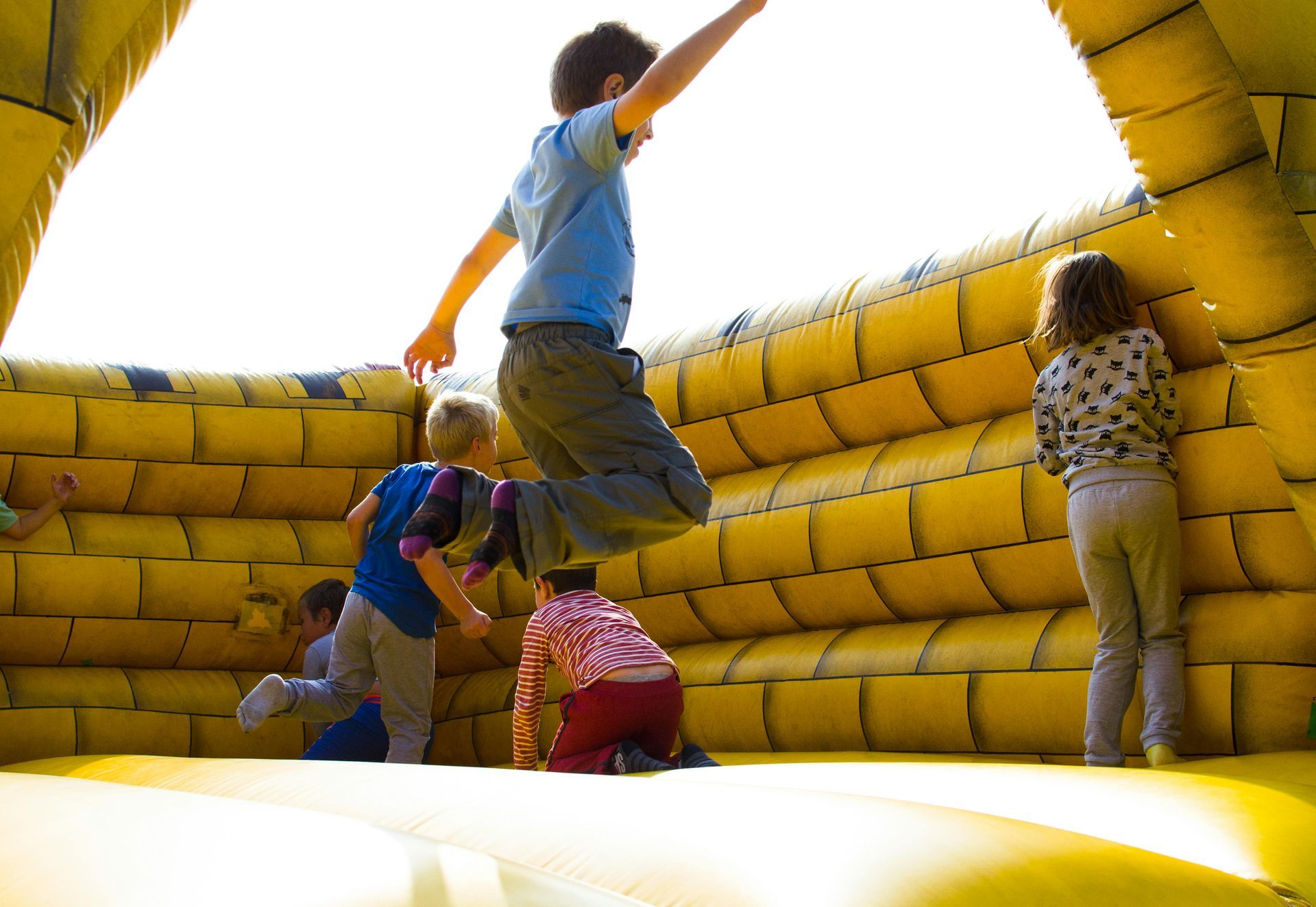
Starting a jumping castle rental business in Australia can be a smart way to build a profitable local business with relatively manageable overheads compared with many other event-based ventures. Families, schools, community groups, sporting clubs and businesses regularly hire jumping castles for birthday parties, school fairs, fundraisers, holiday events and promotional days. Done properly, it can become a reliable income stream and even grow into a broader party-hire operation.
That said, this is not a business you should enter casually. Jumping castles are fun products, but they also come with real safety, legal and operational responsibilities. If you want to build a business that lasts, you need to focus on safe equipment, proper setup procedures, clear systems and professional customer service from day one.
Start with the business model
Before buying anything, decide what kind of jumping castle hire business you want to run.
Some operators focus on backyard birthday parties. Others target schools, councils, churches, childcare centres and corporate family days. Some keep it simple with a few compact inflatables for younger children, while others expand into large commercial units, inflatable slides, obstacle courses and soft play packages.
For most beginners, the safest approach is to start with a small but well-chosen fleet. That usually means two to five popular units that suit common local demand. In many suburban Australian markets, this could include a standard children’s castle, a larger combo unit with slide, and a themed option for birthdays. Starting small allows you to learn the logistics, test demand and avoid overcommitting cash too early.
You should also think about your delivery radius. A tight service area reduces fuel costs, travel time and staff pressure. Many successful operators begin by servicing a single city region or a set number of suburbs, then expand once demand is steady.
Research your market properly
A jumping castle rental business is local by nature, so market research matters more than broad industry hype. And choose a jumping castles manufacturer who guarantee safety on manufacturing jumping castles , So you will avoid plenty of trouble making customers in time to come.
Look at your area and ask:
- How many competitors already operate nearby
- What they charge
- Which castle sizes and themes they offer
- Whether they specialise in homes, schools or events
- What customers seem to complain about in reviews
- What gaps exist in the market
For example, you may notice that nearby operators only offer basic units and none provide clean, modern castles with professional presentation. Or perhaps there is strong demand from schools and community groups for larger event inflatables, but few operators are set up to handle those bookings. Sometimes the opportunity is not being the cheapest, but being the most reliable, safest and easiest to deal with.
You should also consider seasonality. In many parts of Australia, outdoor party demand is stronger in warmer months, though winter business can still come from indoor venues, school functions and community events. Plan your cash flow so you are not relying on peak months alone.
Choose the right business structure and setup
Before trading, set up the business properly. Register your business name, apply for an ABN and choose a business structure that suits your circumstances. Many people start as a sole trader, but some prefer a company structure for liability, tax planning or growth reasons. An accountant can help you decide.
You should open a separate business bank account and use bookkeeping software from the start. Even a small hire business quickly becomes difficult to manage if deposits, fuel, cleaning costs and repair expenses are mixed with personal spending.
You will also need clear terms and conditions for customers. These should cover payment, cancellation, supervision, weather, site suitability, damage, unsafe use and your right to refuse setup if the conditions are not appropriate.
Buying safe jumping castles
This is one of the most important parts of the business.
Do not buy a jumping castle based only on price or appearance. Cheap imports that look fine in photos may not be suitable for commercial rental use. Your equipment needs to be durable, well-manufactured and suitable for repeated inflation, transport, anchoring and cleaning.
When buying jumping castles, focus on these key factors.
1. Buy from a reputable commercial supplier
Use a supplier that clearly sells commercial-grade inflatables for hire businesses, not just occasional domestic use. Ask detailed questions about the construction, materials, stitching, anchoring points, blower requirements and operating instructions. A reputable supplier should be transparent and able to provide documentation.
2. Check relevant standards and compliance information
You need to understand the safety and design requirements that apply to inflatable amusement devices in Australia. Requirements can vary depending on the size and type of inflatable, the state or territory, and the way the unit is used. Do not assume all products sold online are automatically suitable.
Ask the supplier for all available safety information, operating manuals, test information and compliance documentation. If they cannot provide clear answers, that is a warning sign.
3. Choose commercial-grade materials
Look for strong PVC or other commercial-grade material designed for repeated hire use. Reinforced seams, strong stitching and quality anchor points matter far more than flashy graphics. Inflatables used for hire are exposed to sun, dirt, friction, transport wear and enthusiastic children. Weak materials will cost you more in repairs, replacements and downtime.
4. Select practical sizes
Bigger is not always better. Large units may look impressive, but they require more storage space, more labour, more setup room and often more experienced handling. For a new operator, medium-sized units that fit in suburban backyards can often generate the best return because they suit the largest customer base.
5. Buy suitable blowers and accessories
The blower is critical to safe operation. Use the correct blower specified for the inflatable and keep spare parts where possible. You will also need anchoring equipment, tarps, extension leads rated for outdoor use, safety mats, cleaning supplies and possibly trolleys or ramps for easier transport.
6. Think about age groups
Do not try to make one castle suit everyone. Younger children need a different experience from older children. It is often smarter to offer units clearly suited to certain age ranges, with straightforward operating limits and occupancy rules.
Insurance and legal protection
Insurance is essential in this industry. At a minimum, you should look into public liability insurance that is appropriate for inflatable hire operations. Depending on how you run the business, you may also need cover for equipment, vehicles, transit and workers.
Do not rely on guesswork. Speak to an insurance broker who understands event hire, amusements or inflatables. Explain exactly what you hire, whether you deliver and set up, whether you supervise events, and who your customer types are.
You should also check local council and venue requirements. Some schools, councils or public venues may ask for proof of insurance, risk assessments, inspection records or setup procedures before allowing you onsite.
Transport, storage and handling
A jumping castle business is as much a logistics business as it is an events business.
You need a vehicle that can safely transport the units and associated gear. For smaller operations, a van, ute with trailer, or enclosed trailer may be enough. Make sure you understand the real packed size and weight of each inflatable before purchasing. Many first-time buyers underestimate how bulky they are once rolled up.
Storage matters too. Your inflatables should be stored in a clean, dry, secure area protected from pests, moisture and unnecessary heat. Poor storage shortens the life of your equipment and can lead to mould, odours and material damage.
You also need a reliable system for loading, unloading and checking equipment. Every unit should be inspected before and after hire. If a seam is fraying, an anchor point is damaged or the blower has an issue, you need to know before it goes to the next job.
Safety procedures are non-negotiable
Your reputation will depend on safety as much as service.
You need a written setup and operating procedure for every job. That includes site inspection, ground conditions, clearance from trees and structures, access to power, weather checks, anchoring, inflation checks, occupancy rules and customer instructions.
Wind is one of the biggest risk factors. Never treat wind conditions casually. If the weather is unsuitable, do not set up. A lost booking is far better than a serious accident. Build this principle into your terms and conditions so customers understand that safety decisions are final.
You should provide customers with simple operating rules, such as no rough play, no flips, no climbing on walls, no food or drinks inside, no shoes and no mixing tiny children with much bigger children. Clear rules reduce problems and make you look more professional.
If you plan to serve schools, festivals or public events, expect a higher standard of documentation and risk management than for backyard hires.
Pricing your services
Pricing needs to cover more than the cost of the inflatable itself.
You need to account for:
- Loan repayments or capital recovery
- Insurance
- Vehicle and fuel
- Cleaning and repairs
- Storage
- Labour
- Marketing
- Replacement costs
- Admin time
- Seasonal downtime
Many new businesses underprice because they only compare themselves with existing operators. Instead, calculate your actual cost per booking and then add a profit margin that makes the business worth running.
It is often better to position yourself as clean, punctual, safe and professional than as the cheapest option in town. Parents and event organisers usually care a great deal about reliability when children are involved.
You can also increase revenue through package offers. For example, a jumping castle plus soft play, party games, balloons or tables and chairs may lift the value of each booking without needing a huge increase in travel.
Build systems from the start
A well-run hire business depends on systems.
Have a standard process for enquiries, quotes, booking confirmations, deposits, delivery times, setup, collection and follow-up. Use online forms where possible. Keep a checklist for every booking. Track customer addresses, access notes, power availability and any venue-specific requirements.
Photos are useful too. Take photos of the setup area, the anchored inflatable and the condition of the unit before and after hire. That can help if there is ever a dispute about damage or unsafe site conditions.
A simple booking calendar and invoicing system can save hours of confusion as the business grows.
Marketing your jumping castle business
Good marketing is not just about getting attention. It is about getting the right customers in your service area who trust you enough to book.
Your website should clearly show:
- Your service area
- Your castles and pricing or starting prices
- Safety information
- Booking process
- Contact details
- Real photos
- Reviews or testimonials
Google Business Profile is also important for local visibility. Many parents will search terms like “jumping castle hire near me” or “jumping castle rental in Brisbane” and compare the top local results quickly.
Social media can work well, especially Facebook and Instagram, because parents often respond to clear visuals and local recommendations. Post real setup photos, cleaning standards, themed units and school or community event work if permitted.
One often-overlooked idea is using a kids blog as part of your marketing. A well-written kids blog on your website can help attract parents who are searching for birthday party ideas, backyard party tips, school fete entertainment, safe play suggestions or themed party inspiration. For example, you could publish articles like “10 Backyard Birthday Party Ideas for Australian Kids”, “How to Plan a Safe Jumping Castle Party” or “Best Party Themes for Five-Year-Olds”. This kind of content supports search engine visibility, builds trust with parents and gives you useful material to share on social media and in email marketing.
The key is to make the blog genuinely helpful, not just sales-heavy. Parents are more likely to trust a business that provides useful advice, not only promotions.
Customer service will shape your reputation
In this business, word of mouth matters.
Parents remember whether you arrived on time, whether the inflatable looked clean, whether communication was easy and whether pickup happened as promised. Schools and community groups especially value operators who are organised, calm and professional.
Answer enquiries promptly. Be clear about what customers need to provide. Confirm bookings in writing. Explain site requirements before the event date. If weather becomes a concern, communicate early and professionally.
A clean castle, friendly service and no last-minute surprises will usually do more for your long-term success than fancy branding alone.
Grow carefully
Once the business is running smoothly, you can expand. That might mean adding more themed castles, inflatable slides, obstacle courses, generators for sites without power, or extra staff for weekend demand.
But growth should follow systems, not chaos. Every additional unit increases your maintenance, storage, transport and administration needs. Expand when demand is proven and your current operation is under control.
Start Earning From Today
A jumping castle rental business in Australia can be a rewarding and profitable venture, but it should be built on professionalism, not shortcuts. The businesses that last are the ones that take safety seriously, buy reliable commercial equipment, communicate clearly and create trust with families, schools and event organisers.
Start with careful research, buy safe and practical inflatables, insure the business properly, and build strong systems around delivery, setup and customer service. Then support it all with smart local marketing, including a useful kids blog that helps parents discover your brand.
If you approach it with discipline and common sense, a jumping castle hire business can grow from a side income into a respected local operation with repeat customers and strong word of mouth.