Adaptive Dance Classes for People With Disabilities: Benefits, Options, and How to Find a Program
Whether you're exploring new ways to stay active, support a loved one, or simply learn more about inclusive fitness options, adaptive dance offers a welcoming path forward for people of all abilities. This article covers everything you need to know about adaptive dance classes, from who can participate to how to find the right program near you.
What Are Adaptive Dance Classes and Who Can Participate?
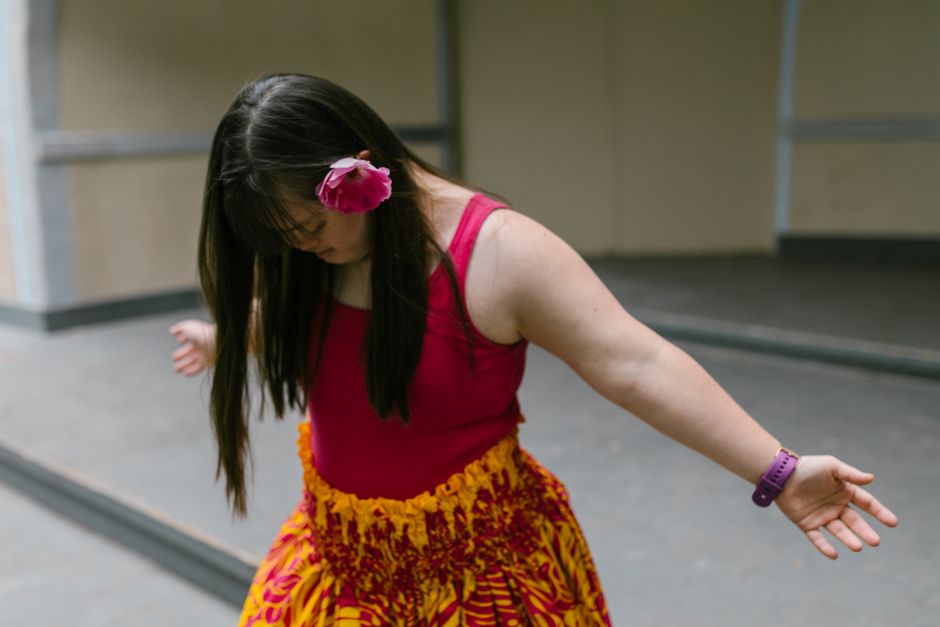
Adaptive dance classes are structured movement programs specifically designed to be accessible and inclusive for individuals living with physical, cognitive, sensory, or developmental disabilities. Rather than requiring participants to conform to a rigid choreographic standard, adaptive dance modifies techniques, environments, and instruction styles to meet each person where they are. The result is a joyful, empowering experience that prioritises participation over perfection.
These classes draw from a wide range of dance styles, including ballet, jazz, contemporary, hip-hop, and ballroom, all adapted to suit varying mobility levels and needs. Instructors trained in adaptive methods work closely with participants — and often their caregivers or support workers — to tailor every session appropriately.
Who can take part? Adaptive dance is open to a broad community, including individuals with:
- Physical disabilities such as limb differences, cerebral palsy, or spinal cord injuries
- Intellectual or developmental disabilities, including autism spectrum disorder and Down syndrome
- Sensory impairments such as vision or hearing loss
- Acquired brain injuries or neurological conditions
- Chronic illness or age-related mobility challenges
Much like the broader framework of Disability sport classification, adaptive dance programs often use structured assessments to ensure participants receive appropriately tailored instruction and support. There is no upper or lower age limit, and prior dance experience is never a requirement — only the desire to move and connect.
At its core, adaptive dance is about belonging . It creates space where every body is celebrated, and every participant can experience the physical and emotional benefits that movement provides.
Physical and Mental Health Benefits of Adaptive Dance
Adaptive dance classes offer a remarkable range of health benefits for participants living with disabilities, addressing both physical and psychological wellbeing in ways that few other activities can match. Much like the empowerment that comes from taking control of a significant process yourself, adaptive dance puts participants in charge of their own movement journey, building strength and confidence from the inside out.
On the physical side, regular participation in adaptive dance can deliver meaningful improvements across several key areas:
- Improved cardiovascular fitness: Rhythmic movement elevates the heart rate gently, supporting heart health without the high-impact stress of traditional exercise.
- Enhanced muscle strength and flexibility: Adapted choreography engages muscle groups that may otherwise be underutilised, reducing stiffness and improving range of motion.
- Better balance and coordination: Structured movement sequences help participants develop greater body awareness, reducing the risk of falls and injury.
- Pain management: For many participants, the release of endorphins during dance activity provides natural relief from chronic pain symptoms.
The mental health benefits are equally compelling. Adaptive dance has been shown to significantly reduce feelings of anxiety, isolation, and depression — challenges that disproportionately affect people living with disabilities. The social nature of group classes creates a genuine sense of community and belonging, while the achievement of mastering new movement skills builds self-esteem and personal confidence.
For participants with neurological conditions such as Parkinson's disease or acquired brain injuries, dance therapy can support cognitive function, improve memory recall, and strengthen neural pathways through the combination of music, rhythm, and purposeful movement.
Perhaps most importantly , adaptive dance gives participants a creative outlet and a space where their abilities — not their limitations — take centre stage. That shift in perspective alone can be genuinely life-changing.
Types of Adaptive Dance Styles and Programs Available
One of the most exciting aspects of adaptive dance is the sheer variety of styles and structured programs available to participants with disabilities. Whether someone is managing a physical, sensory, cognitive, or developmental condition, there is almost certainly a program tailored to their needs, abilities, and interests.
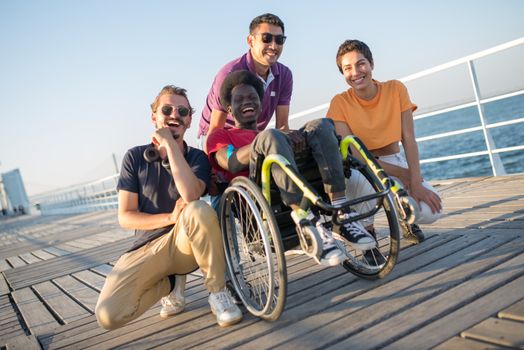
- Wheelchair Dance: Performed solo or with a partner, wheelchair dance adapts ballroom, Latin, and freestyle styles so that participants using manual or powered chairs can engage fully in movement and expression.
- Seated Ballet and Contemporary: These programs modify classical and modern techniques so participants with limited mobility or lower-limb conditions can explore grace, rhythm, and storytelling through upper-body movement.
- Deaf and Hard-of-Hearing Programs: Using vibration, visual cues, and tactile feedback, these classes allow participants to connect with music and rhythm in ways that are uniquely meaningful to them.
- Autism-Friendly Dance Classes: Structured around predictable routines, sensory-sensitive environments, and clear visual instructions, these sessions support participants on the autism spectrum in building confidence and social connection.
- Inclusive Integrated Programs: These bring together disabled and non-disabled dancers in the same class, fostering community and shared creative experiences.
Many community centres, disability support organisations, and specialist dance studios now offer these programs as part of broader wellness and inclusion initiatives. Just as a business owner benefits from having the right structure and support framework — much like exploring the Selling A Business resources that outline clear, step-by-step guidance — adaptive dance participants thrive when they have access to well-organised, thoughtfully designed programs.
If you are a dance studio owner or disability services provider looking to reach more people, it may also be worth reading our Blog for insights on how businesses in the health and wellness space successfully connect with their communities.
How Instructors Modify Techniques for Different Abilities
Skilled adaptive dance instructors approach each class the way a savvy business owner approaches a challenge: they assess what they have to work with, identify what needs adjusting, and find the most effective path forward without compromising the end goal. The result is a learning environment where every participant can experience genuine movement, expression, and joy.
Modifications are rarely one-size-fits-all. Instead, instructors build a toolkit of adjustments they can apply based on each individual's needs. Common techniques include:
- Seated and wheelchair adaptations: Upper body choreography, arm sequences, and torso movements allow wheelchair users to fully participate in routines that others perform standing.
- Simplified movement sequences: For participants with cognitive or developmental disabilities, instructors break routines into smaller, repeatable steps with clear visual demonstrations and verbal cues.
- Tactile guidance: For those with visual impairments, light physical guidance or the use of props helps communicate rhythm, direction, and spatial awareness.
- Tempo and rhythm adjustments: Music can be slowed down or beats emphasised more strongly to support participants who need additional processing time or who have coordination challenges.
- Partner and support systems: Some participants work alongside a carer, aide, or fellow dancer who provides physical support or mirroring to help reinforce movements.
Beyond physical adjustments, experienced instructors also modify their communication style. Instructions may be delivered more slowly, repeated in different formats, or supported with visual aids and demonstration boards. Positive reinforcement is woven consistently throughout each session to build confidence alongside capability.
The most effective adaptive dance instructors also remain flexible mid-class. If a particular modification is not working for a participant on a given day, they pivot without disruption, keeping the energy of the class positive and inclusive. This real-time responsiveness is what separates a genuinely adaptive program from a standard class with minor adjustments bolted on.
Finding and Choosing the Right Adaptive Dance Class
Selecting the right adaptive dance class requires the same careful research and due diligence you would apply to any important decision. Taking a structured approach ensures participants find a program that genuinely meets their needs, preferences, and goals.
- Research local community centres and disability organisations: Many councils and not-for-profit groups coordinate adaptive dance programs specifically designed for participants with a range of disabilities.
- Verify instructor qualifications: Look for teachers with formal training in both dance and disability support, including relevant certifications and experience working with diverse needs.
- Ask about class structure and ratios: Smaller student-to-instructor ratios typically allow for more personalised attention and safer, more effective participation.
- Attend a trial session: Most reputable programs welcome prospective participants to observe or join a class before committing, giving you a genuine sense of the environment and teaching style.
- Check accessibility of the venue: Confirm that the physical space accommodates mobility aids, has appropriate flooring, and offers accessible bathrooms and parking.
- Review funding options: In Australia, participants may be able to use NDIS funding to cover adaptive dance classes under capacity building or social participation supports.
Speaking directly with the instructor before enrolling is also highly recommended. A good adaptive dance teacher will ask meaningful questions about a participant's abilities, communication style, and personal goals — treating each individual as a whole person rather than simply a diagnosis.
Online directories, disability peak bodies, and local Facebook community groups are also practical starting points when searching for programs in your area.
Adaptive dance classes represent far more than an enjoyable activity — they are a powerful tool for building confidence, fostering connection, and improving physical and emotional wellbeing for people of all abilities. Whether you are a participant, a carer, or a support worker, exploring adaptive dance is a step toward a richer, more inclusive quality of life for those who deserve every opportunity to move, express, and thrive.